Featured
Table of Contents
A graphic designer might feature a gallery of their work, in-depth case studies, and customer reviews. This not just showcases their abilities however also builds reliability with prospective clients.
: Routinely upgraded blog sites can position you as an idea leader in your field. By trends, case research studies, or how-to guides, you offer worth to your visitors while improving your exposure in search engine outcomes. 3.: Platforms like LinkedIn, Twitter, and Instagram use distinct. LinkedIn is ideal for professional networking and sharing industry-related content, while Instagram can be a visual portfolio, and Twitter can serve to share fast thoughts or updates, participate in market conversations, or perhaps supply consumer service.
: Make use of analytics tools to understand visitor habits on your website and social networks. This data can inform choices about content method, style changes, and more. If a particular blog site post is bring in a lot of traffic, consider producing more content on that topic or associated topics. 5.
Usage pertinent keywords, meta descriptions, and alt text for images to enhance your search rankings. A photographer may use keywords like "picture photography in [City] or "wedding photographer [City] to draw in local clients. By integrating these elements, you produce a cohesive digital existence that not only shows your work but also engages and grows your audience.
Keep it upgraded, pertinent, and reflective of the worth you bring to your market. Leveraging Sites and Social Network - Showcase your portfolio: The Business owner s Guide to Showcasing Your Portfolio Efficiently In the realm of entrepreneurship, the voice of the client is a powerful testament to the caliber and effect of your work.
Leveraging Actionable Data to Better Understand User Behavior
This sector looks into the art of weaving customer feedback into your portfolio, transforming it from a mere collection of achievements into a narrative that resonates with prospective customers and partners. 1.: Real client reviews function as social proof, verifying your competence and outcomes. For example, a web designer might consist of a testimonial from a pleased client whose site overhaul led to a 50% boost in traffic.
: Integrate feedback from a variety of clients to display versatility. A marketing expert may share a case study where their methods expanded a customer's market reach by 30%.
: Whenever possible, include metrics and information in feedback to quantify your effect. For example, an app designer could include a review mentioning the user retention rate improvement after their app redesign. 5.: Set testimonials with visual evidence of your work to reinforce trustworthiness. An interior designer can show before-and-after images along with a client's glowing evaluation.
: Highlight testimonials that talk to your problem-solving abilities. A job manager might consist of feedback on how they browsed a project back on track after unexpected barriers. By strategically picking and presenting feedback, you turn your portfolio into a compelling story of success and satisfaction that speaks volumes to potential customers.
Critical Lessons of Top User Experience Projects
This approach not just showcases your achievements however also builds trust with those considering your services. Integrating Client Perspectives - Display your portfolio: The Business owner s Guide to Showcasing Your Portfolio Effectively In the vibrant landscape of entrepreneurship, the evolution of your accomplishments is as essential as the initial success.
This not just works as a testament to your strength and flexibility however also showcases your commitment to excellence and knowing. A well-kept portfolio is a narrative of progress, a canvas where each brand-new achievement includes depth and perspective to your professional story. - Objective to update your portfolio a minimum of or after the conclusion of a substantial task.
- Incorporate feedback from clients or peers that testify to your competence and successful project delivery. - Curate reviews that speak to your strengths and line up with the services you want to promote.
How to Increase PPC Lead Returns
- Make sure the visual aspects follow your branding and boost the total visual of your portfolio. - Share insights acquired from each experience, highlighting how it contributed to your expert development. - Go over how past turning points are stepping stones towards future goals, showing a trajectory of continuous growth.
Supply a narrative that catches the essence of the work that led to this honor. Go over the innovative methods you took, the impact on your company, and how it positions you for future undertakings. This method not just notifies but also influences your audience, providing them a window into your commitment and tactical thinking.
Each upgrade is an opportunity to enhance your brand name's message and declare your position as a forward-thinking leader in your market. After providing your portfolio, it's vital to engage in a strategic follow-up to keep the momentum and profit from the interest produced. This includes a diverse technique that not just enhances your brand name however likewise opens doors to future chances.
Leveraging Deep Data to Improve Customer Behavior
2.: Utilize the showcase as a springboard to link with market peers. After a photography portfolio presentation, follow up with participants by linking on professional networks like LinkedIn.
Expect your portfolio consisted of graphic design work; you might take a sophisticated course in typography based on the feedback received. If you're a software application developer, update your portfolio with brand-new tasks or technologies you've mastered because the showcase.
An author might begin a blog series delving deeper into the narratives behind their showcased pieces. 6.: Follow up with prospective customers or employers. After an architectural portfolio review, send personalized emails to prospects discussing potential partnerships. By taking these steps, you make sure that your portfolio continues to be a vibrant representation of your work and a tool for professional development.
Leading a Successful Digital Shift
Next Steps After Showcasing Your Portfolio - Showcase your portfolio: The Business owner s Guide to Showcasing Your Portfolio Efficiently.
Building Long-Term Trust via Transparent Reporting MetricsDesigning an engaging company portfolio is similar to developing a roadmap for your company's success it needs cautious preparation, tactical thinking and atouch of imagination. Here's a detailed guide to assist you craft a company portfolio that aligns perfectly with your mission and sets you on the course to continual competitiveness.
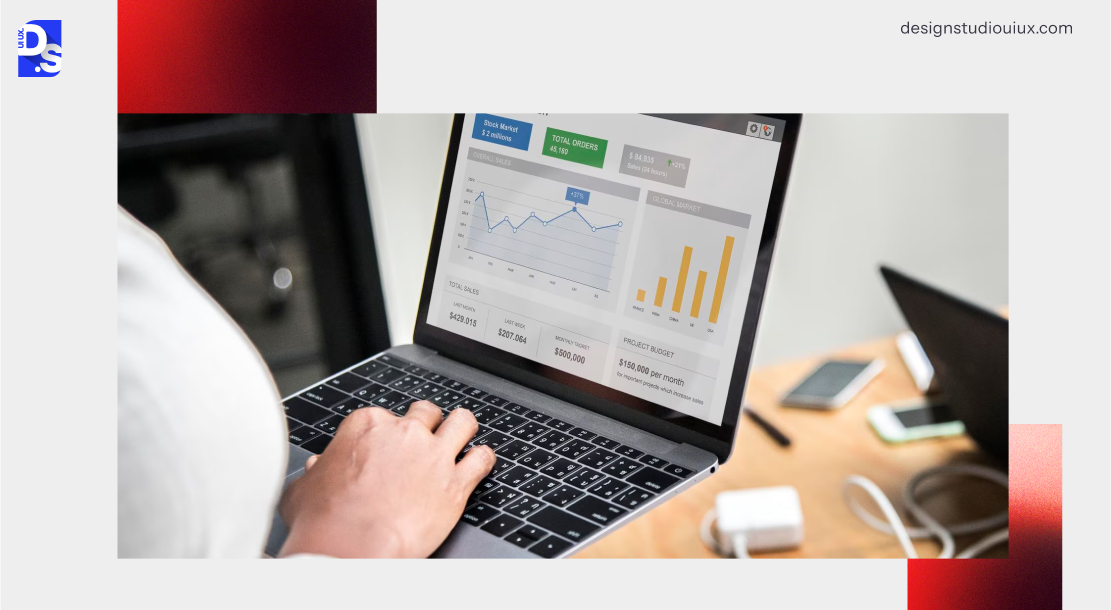
What are your business's mission and values? Identify your long-term goals, whether they revolve around development, expense management, or differentiation. This fundamental step sets the tone for the whole portfolio, making sure every element lines up with your tactical instructions. Categorise your offerings into strategic business systems (SBUs). These are the distinct sectors of your company that contribute distinctively to your total technique.

Latest Posts
Why PR Drives SEO and Brand
Improving Corporate Reputation in a AI Landscape
The Impact of AEO in Modern Search